(Fig.1) The present molecular machines are just overhyped useless science.
The present so-called "molecular machines" or "molecular motors" are just overhyped impractical small molecules whose structures are slightly changed by ordinary conventional macroscopic chemical experimental procedure that cannot manipulate individual atoms.
This-3rd-paragraph says -- Useless molecular machines
"This system is less sophisticated and much less efficient than a ribosome, but it must be considered that it is a thousand times smaller "
This-2nd~3rd-paragraphs (2025) say -- Illusory molecular machines
"Molecular machines are generally understood to include an array of nanoscale pumps, switches, motors and ratchets"
"debate still surrounds many of the most fundamental terms used to describe the work. In fact, even the phrase molecular machine is used inconsistently by the field’s researchers."
This-7th-paragraph (2024) says -- Impractical molecular machine
"However, the development of molecular machines is still in its early stages, and significant technical challenges must be overcome before these systems can be widely adopted."
This 4th-paragraph says -- Fake molecular machine
"Today, though, the work is so fundamental that no one really knows what to do with the machines or how they’ll be useful. A Stone Age man makes a wheel.. He's still a long way from the motor car—he can't even envision a motorcar." ← today's hyped molecular machines (= motor car ) are useless.
The 12th, 15th paragraphs of this news says -- No manipulation
"Another huge challenge,.. is error correction. Machines at the nanoscale are distinctly unlike human-scale robots in that they are always subject to stochasticity; you can set up a molecular machine to do a particular job but you can never ensure it will work correctly all the time" ← Today's molecular machines cannot even control molecules.
"He admits there's nothing he can yet do with a molecular machine that can't be done more simply by other means." ← Today's molecule machines are unnecessary, useless.
This recent molecular machine news (2025) ↓
3rd-paragraph says -- Cannot manipulate atoms
"Building self-driving molecular machines is challenging because it means figuring out how to control molecules’ positions in both time and space in a repetitive cycle without hands-on intervention." ← Today's (fake) molecular machines can Not directly manipulate molecules.
6th-paragraph says -- Too slow rotation
"It takes approximately 20 h for the average molecule to revolve a full 360° because the reaction rates are relatively slow and only around half of the motor molecules undergo rotation in each oxidation-reduction cycle. The reactions continue as long as sufficient oxygen and borane are available to power them—though the borane is prone to side reactions, so a large excess is needed"
2nd-last-paragraph says -- Still useless
"This is very much a prototype, Collins says. She envisions many directions for future work (= still useless now )..... And of course, there many more reactions that nobody has yet tried to use to power molecular motors (= the present mainstream quantum mechanics cannot predict chemical reactions )."
↑ So this molecular machine, which is just a simple molecule, can be rotated very slowly through ordinary slow chemical reactions of oxidation and reduction ( this-Fig.1~4 = by macroscopic chemical experimental procedure ) Not through direct rapid manipulation.
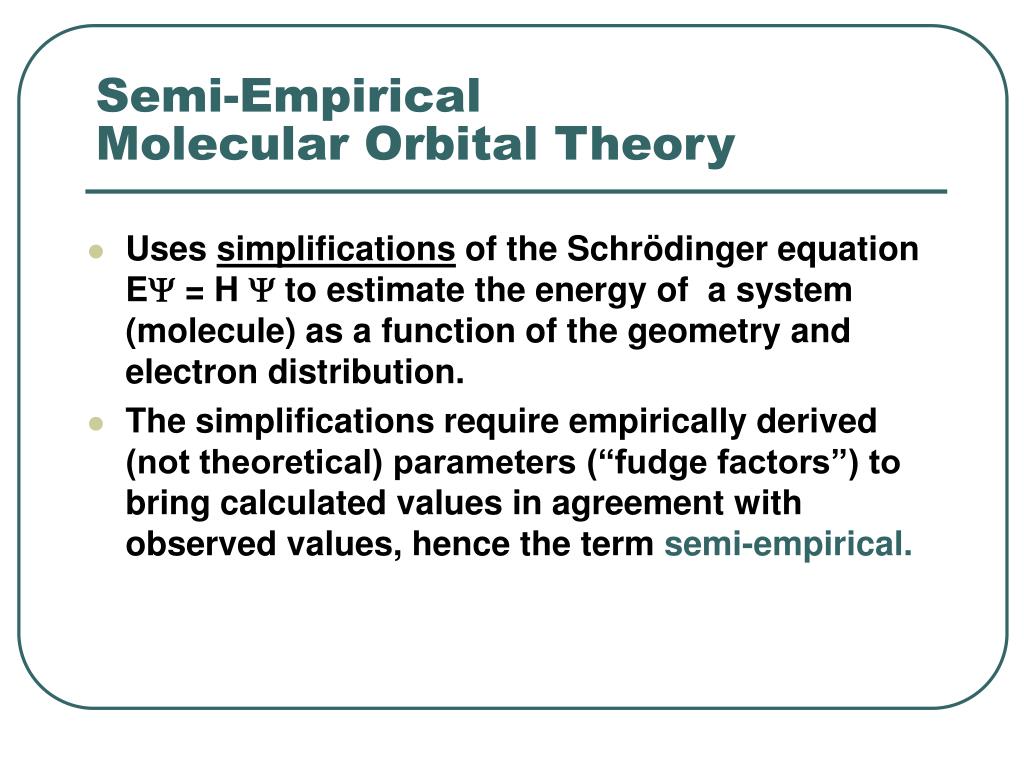
Quantum mechanics can Not predict nor explain any multi-electron atoms (= like helium ) or molecules as shown in its unsolvable Schrödinger equation.
Quantum mechanics has to treat multi-electron molecules or molecular machines only as unreal quasiparticle or one-pseudo-electron DFT (= density functional theory, this-p.11, this-lower-Summary, this-p.5 ) model with artificially-chosen fake exchange-correlation potential functional and basis set wavefunctions that can Not predict any molecular behavior (= DFT is empirical, this-p.48, this-p.8-1st-paragraph, this-p.1-left ).
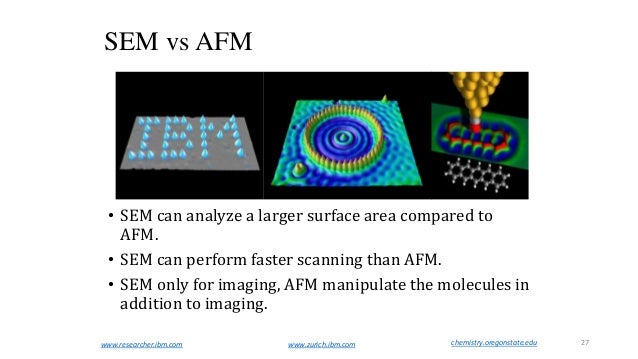
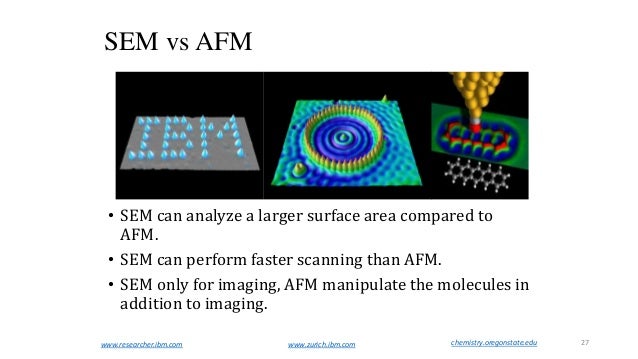
↑ This unreal quantum mechanical unreal wavefunctions, quasiparticle, DFT model lacking real atomic shape hampers making useful multi-probe atomic force microscopes manipulating single atoms to develop really-useful molecular machines.
In today's molecular machine experiments, chemists try to estimate simple molecular structures by the very old technique = NMR (= nuclear magnetic resonance ), as shown in this-1st-paragrpah, this-p.40~42, this-p.6~7.
↑ But this NMR can just detect magnetic frequencies resonating with some atoms, which are slightly changed in different atomic structures (= called chemical shift ), without directly seeing the molecular structures.
This NMR can Not estimate large molecules nor proteins where a lot of similar resonance frequencies are overlapped and indistinguishable ( this and this-Disadvantage of NMR ).
This-Limitation of NMR spectroscopy says -- Only small molecules
"NMR spectroscopy does not support the analysis of higher molecular weight molecules because of the complexity and difficulty in interpreting the spectra."
This-introduction-1st-paragraph says -- Useless NMR
"A major challenge commonly encountered with 1D 1H NMR metabolomics is the increase in spectral crowding and peak overlap that occurs with an increase in sample complexity ( this-15th-paragraph~-limitation of NMR, this-p.2-1st-paragraph )"
The estimation of atomic structures through the detected NMR signal frequencies is based on experience, Not on quantum mechanical prediction.
Today's mainstream useless quantum mechanical one-pseudo-electron DFT model with freely-chosen exchange energy functional cannot predict any physical values.
This-p.3-last-paragraph says -- Useless quantum mechanics
"Whereas DFT (Density Functional Theory)-based calculations can provide valuable insights
into the dependence of chemical shift values on local geometry for different nuclei.., empirical approaches have generally been more successful in
directly modeling the local backbone structure ( this-p.3-right-1st-paragraph )"
This site ↓
p.2-1st-paragraph says -- No quantum prediction
" Despite
this considerable effort, there is still no calculation of proton chemical shifts sufficiently
accurate to be of use to the practising chemist, who has to rely on the various data collections
of proton chemical shifts which often cannot be extrapolated to an unknown structure"
p.3-last-paragraph says -- NMR = empirical
"The most promising approach to the prediction of proton chemical shifts has been the
semi-empirical calculations of partial atomic charges in molecules which have given surprisingly good correlations with proton chemical shifts"
(Fig.2) Today's hyped useless molecular machine researches rely on the ordinary old-fashioned chemical experimental procedure (= using flask, beaker .. mixing many molecules in the solution ) instead of manipulating single atoms or molecules.
Researchers in the present molecular machines just conducted the ordinary old-fashioned macroscopic chemical and biological experiments (= mixing reagents, heating, cooling, centrifuging the whole solutions containing many different molecules in beakers.. waiting for some desirable chemical reactions to luckily happen ).
Researchers ( in molecular machine field ) do Not look into individual atomic, molecular interactions nor manipulate individual atoms (= No atomic force nor scanning force microscopes to manipulate atoms are used in these fake molecular machine researches due to unreal quantum mechanical atomic model ).
This news on a molecular machine called NanoGear ↓
4th-paragraph says -- Just randomly-moving molecule
"The main design element of NanoGear (= small rotaxane molecule ) lies in the fact that the rotor is directly linked to the axis with a regular chemical (covalent) bond, whereas the ring is mechanically locked around the axis by the presence of the stoppers. Both the translation of the ring and the rotation of the rotor are random oscillations (= cannot be manipulated like a real machine ) determined by the thermal energy of the molecule; "
The Results say -- Useless molecular machine
" While it is currently difficult to identify a specific use of NanoGear (= fake molecular machine )"
↑ This or this paper's p.12-Experimental procedure-p.13 used only old macroscopic chemical experimental procedure ↓
Old macroscopic experimental procedure
"Rotaxane was dissolved in CH2Cl2, polymer bound.. was added (= many different molecules were mixed instead of dealing with individual molecules separately ), and the suspension was shaken for
5 min. The resin was filtered, and the filtrate was concentrated under reduced pressure. The residue was dissolved in ethyl formate (4 mL) and refluxed for 5 days under
a nitrogen atmosphere. The solution was concentrated under reduced pressure,.. The crude product was purified by size
exclusion chromatography"
↑ Today's (fake) molecular machine researches rely only on old-fashioned macroscopic chemical experimental procedure without considering nor manipulating individual atoms.
(Fig.3) Relying on old-fashioned macroscopic experimental procedure (= which can treat only mixture of many molecules ) without manipulating individual atoms means today's (hyped) molecular machines are unreal.

This news on an overhyped molecular machine ↓
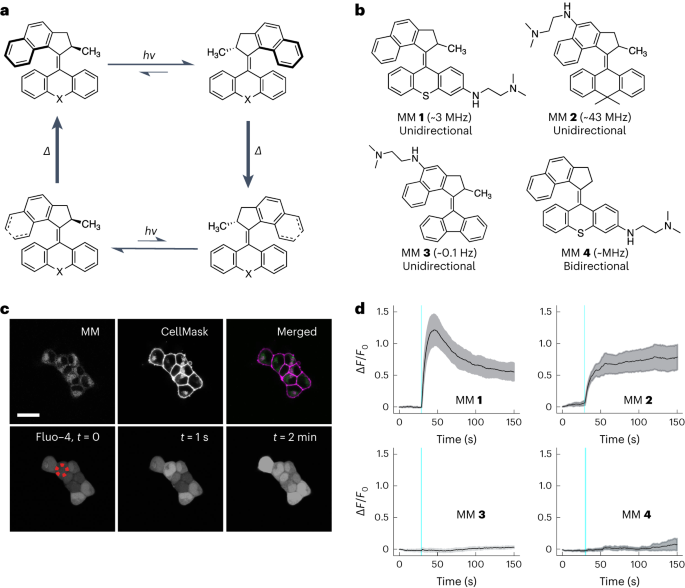
4th-paragraph says -- Small molecule rotated by light
"Scientists used small-molecule-based actuators that rotate when stimulated by visible light to induce a calcium-signaling response in smooth muscle cell"
Last-paragraph says -- Impractical molecular machine
"We're currently working towards developing machines activated by light with a better depth of penetration to really actualize the potential of this research" ← Still experimental, No practical use
↑ This research paper on the alleged molecular machine ( this ↓ ).
p.3-last-paragraph says -- Just simple molecule, Not machine
"Molecular machines (MM) are (simple) molecules that can be activated by external
stimuli, such as light, to perform mechanical work on the molecular scale. Just as the mechanical
perturbation of a cell's outer membrane causes intracellular calcium responses"
p.15~p.21-Experimental methods show -- No quantum mechanics
No (useless) quantum mechanics such as Schrodinger equation and DFT were used, and No manipulation of individual atoms of a molecular machine.
p.24 shows -- Just a molecule responding to light
This molecular machine is just a simple molecule whose structure was slightly changed by light.
p.28 says -- Molecule induced calcium
"Confocal microscope images of a single myocyte treated with MM (= molecular machine responding to light )... showing Fluo-4 fluorescence, revealing calcium activity in cardiomyocytes before and after
(light) stimulation." ← Light caused a small molecule (= molecular machine ) to be slightly rotated to put mechanical pressure on a cardiomyocyte secreting calcium, which was detected as Fluo-4 fluorescence, which cannot see individual atoms.
↑ Contrary to the (misleading) name of "molecular machine", the synthesis of these molecular machine (= MM ) molecules used the old-fashioned macroscopic chemical experimental procedure (= instead of manipulating individual atoms in real molecular nano-machines ) ↓
↑ This supplementary p.6~ (= synthesis of MM2 ), p.7(or p.6)-2nd-paragraph says
"10,10-Dimethyl-9(10H)-anthracenone (1.67 g, 7.5 mmol) and Lawesson’s reagent (6.08 g, 15
mmol) were mixed in a solution of toluene (30 mL). The solution (= mixing many different molecules ) was heated to reflux for 14 h.
The solution was permitted to cool to room temperature. The toluene was removed by rotary
evaporation. The residue was purified by silica gel chromatography.."
(Fig.3') Rotaxane is just a simple molecule far from the overhyped molecular machine. ↓
A rotaxane consists of a dumbbell-shaped molecule which is threaded through a macrocycle molecule, which is often treated as molecular machine switch (= moving molecules by ordinary macroscopic experimental method ).
Actually, this rotaxane is just a simple useless molecule far from a machine.
This overhyped news on this impractical rotaxane ↓
16-paragraph says -- Useless molecular machine
"but it is important to remember that for now, this is basic and not applied science" ← still-useless molecular machine research.
20th-paragraph says -- Move in only one direction
"so that they can be controlled to move only in one direction." ← This research could not move molecules freely as switch.
↑ In this research, they just moved some trapped molecules (= rotaxane ) a little by some ordinary chemical reaction in the normal macroscopic chemical experiment (= mixing reagents in beakers.. ) without controlling individual atoms, so this is Not a real molecular machine.
↑ This research paper ( this ↓ )
p.4-right-synthesis~p.5 conducted the ordinary macroscopic chemical experiments without manipulating individual atoms by atomic force microscopes.
p.10-Scheme.4 showed some oxidation (= + positively-charged ) moved some molecules to right or left randomly (= by electric repulsion caused by oxidation ). ← Relying on ordinary chemical reaction (= oxidation ) by the ordinary macroscopic chemical experimental method instead of manipulating individual atoms
p.11-12 -- No quantum mechanics used
conducted normal macroscopic chemical experiments without manipulating individual atoms nor using (impractical) quantum mechanics.
↑ This p.11-TTF derivative says -- Only macroscopic chemical experiment
"2,6-Bis(2-cyanoethylthio)-3,7-
bis(methylthio)tetrathiafulvalene (212 mg, 0.454 mmol) was
dissolved in anhydrous THF (160 mL) and degassed (N2,
30 min). CsOH•H2O (77.5 mg, 0.461 mmol) was dissolved in
anhydrous MeOH (3.5 mL) and added dropwise over 90 min,
causing the initially orange solution to become dark red. After
1 h, 2-(2-(2-[4-(tris(4-t-butylphenyl)methyl)phenoxy]ethoxy)-
ethoxy)ethyliodide (317 mg, 0.424 mmol) was added. The
reaction mixture (= mixing many different molecules instead of manipulating individual molecules ) was stirred for 2 d before the solvent was
removed"
↑ Old-fashioned macroscopic trial-and-error experiments without manipulating each single molecule, so this is Not a real molecular machine.
The 7th paragraph of this or this hyped news on fake artificial molecular machine ribosome admits
" the current prototype is still
far from being as efficient as the (actual) ribosome.."
↑ This research also just conducted ordinary macroscopic chemical experiments ( this p.6-p.45 ) to slightly rearrange molecules (= far from ribosomes or molecular machines ) without manipulating individual atoms, so Not real molecular machines.
↑ This p.23 (= assembly of the molecular machine ) says -- Old reaction
"After drying, the resin was swollen in degassed CH2Cl2 (2
mL) for 30 min.... The mixture was shaken for
2 d at room temperature, then filtrated and the resin was washed.... The flask was stored in the dark and the mixture was stirred for 18 h at room
temperature."
↑ Old-fashioned macroscopic chemical experimental procedure using the ordinary flask without manipulating each single molecule (= No atomic force or scanning tunnel microscope for manipulating single atoms was used due to the useless mainstream quantum mechanics ).
And No (useless) quantum mechanical methods (= Schrodinger equations, DFT, MD.. ) were used in this molecular machine research.
↑ The 3~5th paragraphs of hyped news on alleged molecular machines say.
"The robots operate by carrying out chemical reactions in special solutions (= ordinary macroscopic chemical experimental method )"
"In the future (= just speculation, molecular machines are still useless ) such robots could be used "
↑ This alleged overhyped programmable molecular machine just consists of simple molecules ( this p.10 ) moved by the ordinary old-fashioned macroscopic experimental
procedure ( this p.5~p.47 ) instead of manipulating individual atoms.
So this is far from a really-programmable molecular machine.
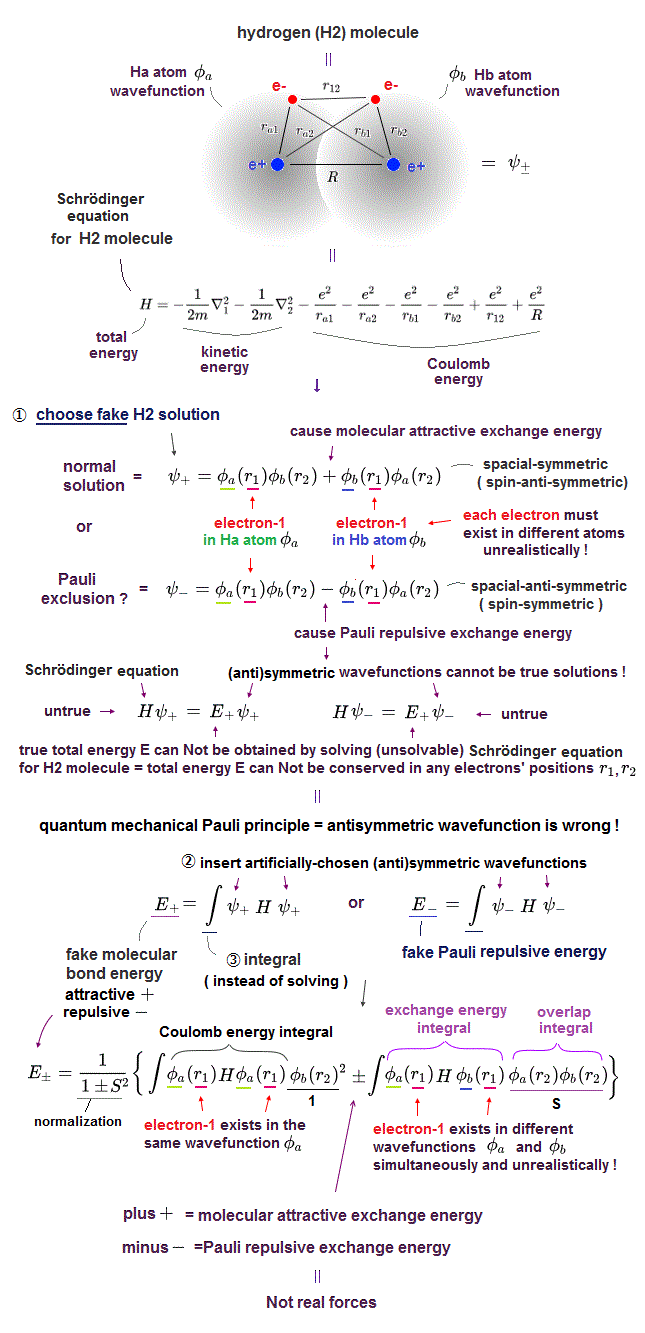
(Fig.4) Quantum mechanics has to treat any multi-electron molecules (= overhyped fake molecular machines ) as one-pseudo-electron DFT or fictional quasiparticle model with fake effective mass lacking real atomic shape.
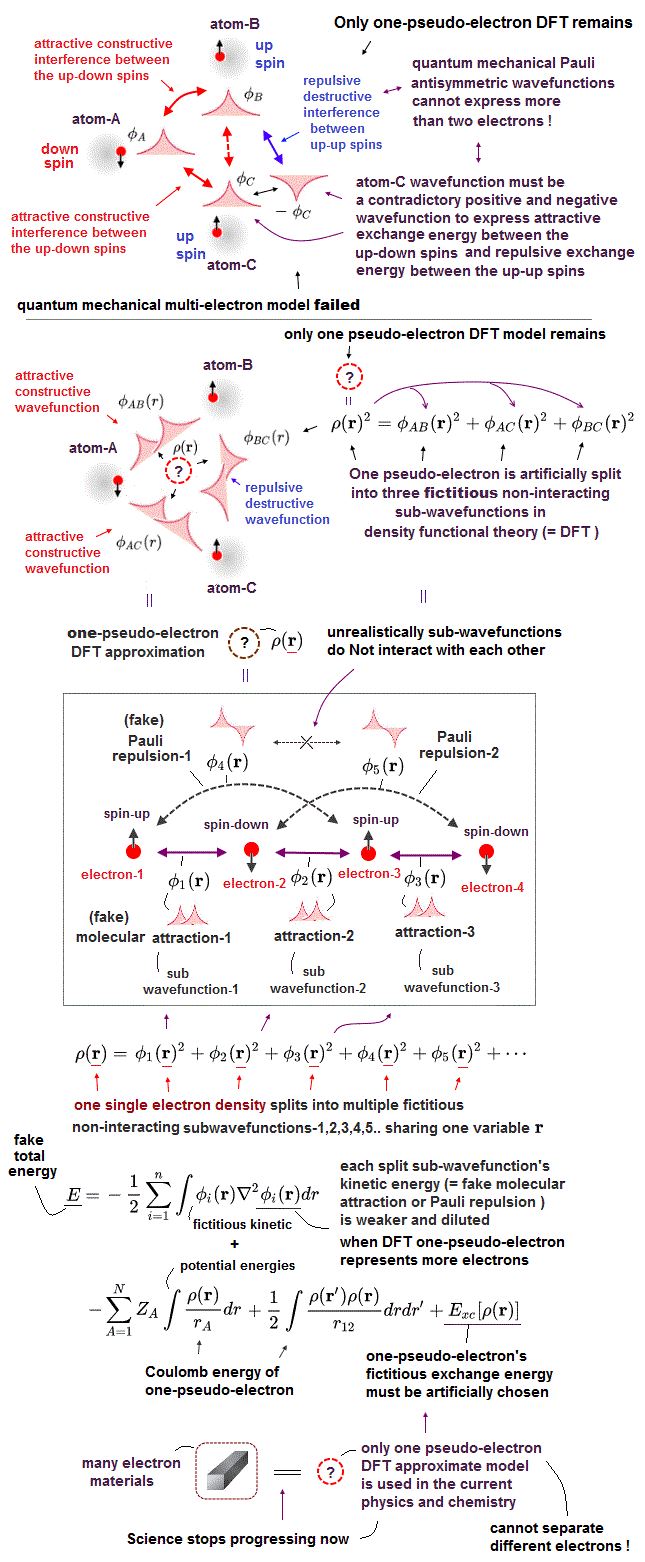
This alleged artificial molecular machine research also just conducted the ordinary macroscopic chemical experiments ( this p.7-p.17 ) without manipulating individual atoms.
↑ This research paper ↓
p.4-last-paragraph says -- Too long chemical reaction
"The time the machine takes to add 6-7
leucine residues from this track (= 96 hours ) is significantly longer" ← Ordinary macroscopic chemical reactions without manipulating atoms took too much time, inefficient.
p.6~p.9 used only ordinary macroscopic chemical experimental procedure without looking into nor manipulating single atoms, which is far from a real molecular machine.
↑ This p.16 says -- Only macroscopic chemical experiment
"resin were suspended in CH2Cl2 and suspension was both degassed and concentrated by approximately half via nitrogen sparging... rotaxane and alkyne
terminated polymer were dissolved in CH2Cl2 and..
this solution (= mixing many molecules ) was added to the suspension of resin-bound copper with CH2Cl2 being used as a transfer wash... The resulting suspension was stirred at room temperature for 19h before the
resin was removed by filtration and the filtrate was purified by preparative scale TLC"
↑ This research relies on the impractical one-pseudo-electron DFT model ( this or this p.4-Fig.4b ) lacking real atomic picture (= contrary to the misleadingly colorful atomic picture ), which unrealistic quantum mechanical model is useless, cannot predict any molecular behavior.
This research (= p.8-left-quantum mechanical calculation ) used only one-pseudo-electron density functional theory (= DFT ) with empirical exchange energy (= M06-2X which cannot predict any molecular behavior ) functional lacking real particle picture (= so hampering technological development ), and only old-fashioned macroscopic chemical experimental procedure was used ( this p.6-12 ).
This research (= last paragraph ) also used the impractical one-pseudo-electron DFT model and the ordinary macroscopic chemical reaction ( this p.4-6 ) without manipulating individual atoms.
This research on alleged molecular motor ↓
p.3-right-last-paragraph~p.4-left says -- Wrong DFT
"(one-pseudo-electron) DFT tends to overestimate the
electronic delocalization. On the contrary, Hartree–Fock calculations tend to underestimate the electronic delocalization and for this reason we have chosen DFT with an hybrid
functional" ← Quantum mechanical methods lacking real atomic shapes disagree with experimental results
p.7-left-2nd-paragraph says -- Impractical molecular machine
"The demonstration of a controlled rotary movement will
then need further experimental developments" ← still useless molecular machines.
p.7-9 experimental procedure used old-fashioned macroscopic chemical experimental method without manipulating individual atoms.
So in the present researches on (hyped) molecular machines or molecular motors, researchers just conducted the ordinary ( old-fashioned ) macroscopic experiments without considering nor manipulating individual atoms (= by atomic force microscopes ) due to the impractical quantum mechanical (one-pseudo-electron DFT) model that hampers advance of science forever (= resultantly No cure for deadly diseases ).
This p.3-right-2 methods use one-pseudo-electron DFT with artificially-chosen pseudo-potential lacking real atomic shape which cannot predict any molecular behavior.
The alleged molecular motor research.
This p.4~p.5 used one-pseudo-electron DFT and empirical-PM6 (= for parametrizing unphysical exchange energy integral ) which cannot predict anything.
This p.7-p.10 used the ordinary macroscopic experimental procedure.
As a result, today's hyped molecular machines are just simple molecules that cannot control individual atoms, which are useless, Not real molecular machines, due to the unphysical quantum mechanical (= DFT ) shapeless atomic model that cannot predict any molecular behavior.
(Fig.5) Nano-car is just simple useless molecules without engine.

Nanocar consists only of several simple molecules (= some of molecules can rotate by being pushed ) that must be artificially pushed by microscope's tip (= without engine ), which is far from a practical (miniature) car.
They just put together several simple molecules by the ordinary old-fashioned macroscopic chemical experimental procedure (= instead of manipulating individual atoms, this p.3~p.22 ).
↑ This research paper ↓
p.2-right-last-paragraph says -- No engine, Not real car
"Rotation of a wheel (= just simple molecules ) on a surface was achieved for the first
time by pushing the molecule with the STM (= microscope ) tip" ← This (fake) nanocar cannot be moved by engine, instead, they had to push it by the microscope tip (= p.3- Figure 1 ).
p.4-left-last says -- Useless quantum DFT
"From the
DFT calculations" ← The impractical quantum mechanics had to express the whole nanocar consisting of multiple multi-electron molecules as one-pseudo-electron DFT that prevents nano-technology ( this-p.10-Figure S10 ).
p.5-left-last says -- Quantum mechanics failed
"Establishing the laws describing the motion of dipolar
molecules under the influence of an electric field induced by an
STM tip is a challenge." ← Quantum mechanics can Not explain this nano-car's motion after all.
(Fig.6) Useless basic physics or quantum mechanics (+ DFT, MD ) unable to give real shapes to individual atoms (= instead, only impractical pseudo-potential can be given ) hampers technology.
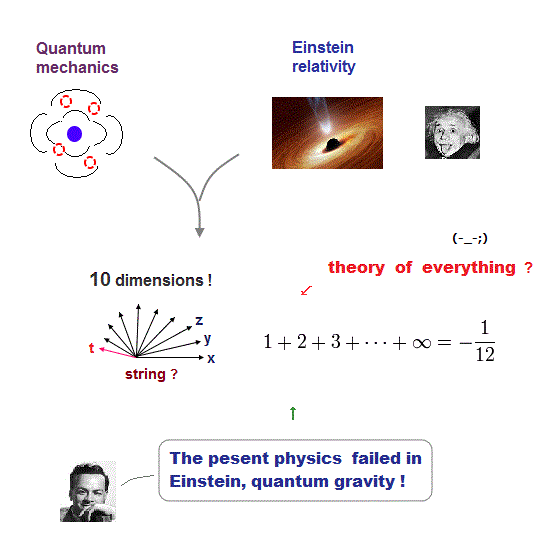
This alleged molecular rotor research ( this ↓ ).
p.3~p.7 used the ordinary macroscopic experimental procedure (= No manipulation of individual atoms ).
p.23 used one-pseudo-electron DFT and extremely-time-consuming impractical MD (= molecular dynamics lacking atomic shape ) with artificially-chosen force field potentials that cannot predict anything.
This or this research ( p.8-9-Experimental procedure ) used the ordinary macroscopic biological experiments without manipulating individual atoms nor using (impractical) quantum mechanics.
This p.8~9 methods also used only macroscopic biological methods without using any quantum mechanical calculations (= Schrodinger equation, DFT, MD were Not used ). ← No atomic interaction nor atomic manipulation was considered.
This alleged DNA robot is Not a robot but just some DNA strands sticking or detaching ( this p.6, p.10 ) based on simple DNA base pair complementarity in random walks ( this p.3-Fig.1c ). ← No (useless) quantum mechanics nor atomic interaction was used ( this p.9-material and method ), so deadend biological research
The 3rd-last, 2nd-last paragraphs of this overhyped fake news (2025) say
"This research represents a paradigm shift in nanomaterial processing,.. Instead of building complex microfluidic devices, we can now program virtual nanomachines that appear and function on demand."
"this technology has significant potential (= just vague potential, still No practical use )"
↑ This research paper's abstract says nothing about practical application or nanomachines, contrary to the above hyped news.
This hyped news (2025) say
8th-paragraph says -- Quantum mechanics failed
"Yet, despite being extensively studied for over 70 years, the molecular details of its architecture have so far eluded researchers." ← The useless quantum mechanics failed to clarify the mechanism of the so-called molecular machine = flagellum.
2nd-last-paragraph says -- Useless quantum mechanics
"Further research is needed to fully understand how the flagellum forms," ← The present deadend science still can Not clarify the mechanism of the flagellum even after 100-year-long fruitless research.
↑ This research paper's p.11~p.14-methods used only the macroscopic biological methods (= without using quantum mechanics ), and cryogenic electron microscope tomography on frozen static sample + Alphafold3 which can deal only with static proteins with incorrect bad resolution
↑ So the real dynamical atomic mechanism of flagellum is unclear (= multi-probe atomic force microscope manipulating single atoms was Not used ), hence, the name of the molecular machine is inappropriate.

Feel free to link to this site.